Oil Prices Fall as Strait of Hormuz Supply Outlook Improves
Global oil prices continued to decline on Tuesday as investors reacted to signs that crude shipments through the Strait of Hormuz could gradually resume following a preliminary agreement aimed at reducing tensions involving Iran.
The drop in prices comes as energy markets reassess supply risks that had previously driven crude prices higher amid concerns over disruptions in one of the world’s most important oil transit routes.
Brent crude traded below recent highs while U.S. benchmark West Texas Intermediate also extended losses, reflecting growing expectations that oil flows through the Strait of Hormuz could begin recovering in the months ahead.
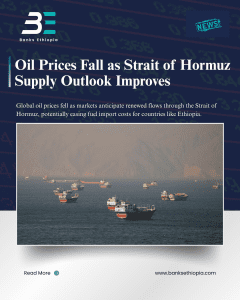
The waterway is among the most strategically important energy corridors in the world, handling roughly one-fifth of global oil shipments under normal conditions. Any disruption to traffic through the strait has immediate implications for fuel prices, inflation, and import costs worldwide.
Markets have responded positively to indications that diplomatic efforts could reduce supply risks in the region. Investors are increasingly betting that restrictions affecting oil exports and shipping activity may gradually ease if current negotiations hold.
Analysts caution, however, that a full normalization of oil flows is unlikely to happen immediately. Industry forecasts suggest that restoring tanker traffic and production levels could take several months, leaving room for continued price volatility if geopolitical tensions re-emerge.
Despite the recent decline, traders remain cautious due to the absence of a comprehensive and permanent agreement. Key issues surrounding Iran’s nuclear program and regional security arrangements remain unresolved, creating uncertainty over the durability of the current ceasefire efforts.
At the same time, broader market fundamentals have added downward pressure on prices.
Energy analysts point to weakening demand indicators from major consuming economies, particularly China. Recent import data showed a significant slowdown in Chinese crude purchases, reinforcing concerns about global demand growth.
Higher export volumes from the United States have also contributed to improved supply conditions, reducing fears of an immediate shortage in international markets.
For fuel-importing economies such as Ethiopia, lower global oil prices could provide welcome relief. Petroleum products remain among the country’s largest import expenditures and represent a significant source of demand for scarce foreign exchange resources.
Any sustained decline in international oil prices could help moderate fuel import costs, reduce pressure on foreign currency reserves, and potentially lower the fiscal burden associated with fuel supply management.
The development comes as Ethiopian authorities continue exploring measures to manage fuel-related foreign exchange pressures. Recent policy initiatives, including expanded Franco-Valuta fuel import arrangements for eligible institutions, reflect broader efforts to reduce strain on the country’s external balances.
While global energy markets remain vulnerable to geopolitical developments, the latest decline in crude prices highlights how quickly sentiment can shift when supply risks begin to ease.
Investors will now be closely watching developments surrounding the Strait of Hormuz, the implementation of ceasefire arrangements, and any progress toward a longer-term diplomatic settlement. The outcome could determine whether recent price declines evolve into a sustained trend or prove to be a temporary pause in an otherwise volatile market.